- Key Takeaways
- The Walk-Past Wallet: How Coin Machines Actually Make Money
- Machine 1: Toy Capsule Machine (Gachapon)
- Machine 2: Claw Machine
- Machine 3: Bulk Candy and Gumball Rack
- Machine 4: Coin-Operated Massage Chair
- The Reality Check: Why Route Diversification Matters
- Machine 5: Route Arcade Cabinet
- Machine 6: Surcharge ATM
- Machine 7: Snack and Drink Vending Machine
- The Three Filters Every Saturday Operator Uses
- How a Part-Time Nurse Built a $2,200/Month Route on Weekends Only
- Watch the Full Video
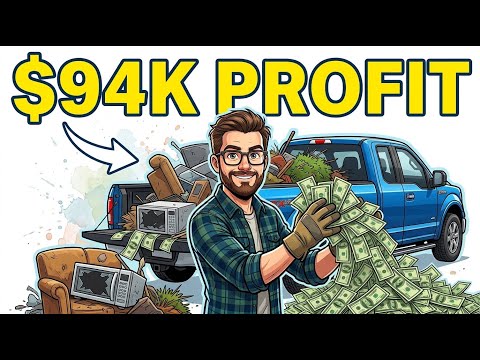
Seven machines you have already walked past this week are quietly paying their owners anywhere from $200 to $2,000 a month — per location. None require staff. None require a storefront. The smallest starts at $300. The largest can be placed into a single mall corner for under $2,000 all-in. What they share is a mechanic called the Walk-Past Wallet: the customer's money is already moving past your machine. This guide covers all seven, with real operator numbers from Reddit, iSPA Express case files, and the AMOA.
Key Takeaways
- All seven machines share the Walk-Past Wallet mechanic — foot traffic does the selling, not advertising.
- A single toy capsule machine in a nail salon can net over $580 a month from two hours of restocking work.
- A surcharge ATM in a busy bar can clear $1,000 net per month; a five-machine route generates $1,500–$4,800.
- The three filters — foot traffic volume, rev-share cap, and restock cadence — separate profitable placements from ones that drain time.
- Never let one venue represent more than 20% of a route's income; a single eviction becomes manageable rather than catastrophic.
- A part-time nurse built a 12-machine bulk candy route generating roughly $2,200 a month, working weekends only.
The Walk-Past Wallet: How Coin Machines Actually Make Money
Most passive income strategies require an audience, an algorithm, or an advertising budget. Coin-operated machine businesses do not. The Walk-Past Wallet mechanic explains why: the customer's money is already in motion past a venue they chose to enter. The operator's only job is to place a machine where that traffic already exists. There is no marketing spend, no lead generation, no follower count required.
This is what separates the seven machines below from most side hustle ideas. They are boring by design. They sit in the corners of barbershops, bowling alleys, nail salons, and bars — and they generate income every hour the venue is open, including the hours the operator is asleep.
Machine 1: Toy Capsule Machine (Gachapon)
The plastic dome dispensing bagged toys for $2–$3 a turn is the most underestimated machine on this list. One operator documented his real monthly collection from a single salon on the Capsule Vending Business Stories YouTube channel: 392 tokens at $3 each, totaling $1,176 gross in a single month. After restocking toys, his net was $583 — earned in two hours of work from one visit.
A new machine runs $300–$800. The target placement venues are comic shops, nail salons, and barbershops. The margin trap that kills new operators is sourcing toys at $1.50 retail and selling at $2.00. The fix is sourcing from a real wholesaler at $0.15–$0.50 per unit, which keeps margin north of 60%. Rotating one-third of inventory every month prevents regulars from memorizing the selection and maintains impulse-buy behavior.
Machine 2: Claw Machine
The lit-up plush crane game in every bowling alley and pizza restaurant is a legitimate income vehicle at scale. One Reddit operator on r/clawmachine runs over 30 units across seven locations and reports six figures annually while working one to two days per week. Independent operator data from bleegame and joyfuncade places a single well-located claw machine at $200–$400 net per month in a bowling alley, $400–$800 in a mall corridor, and $1,000–$2,000 or more in an entertainment center. A 10-machine route across mixed venues produces $3,000–$8,000 per month net.
A verified used commercial unit from eBay or an AMOA dealer costs $1,500–$3,000. New units run $3,000–$6,000. Adding a Nayax or Cantaloupe cashless reader for $200–$400 is effectively mandatory — 40–60% of plays in 2026 are tap-to-pay. First prize inventory from a wholesale importer runs $1.50–$4.00 per unit. The critical operational variable is the win rate: published operator data recommends a one-in-six to one-in-eight win rate dialed through back-panel payout settings, with prize cost kept under 20–25% of revenue.
The placement pitch is a one-page sheet: a machine photo, a 24×24-inch footprint, and a 20–30% rev-share offer. The pool includes roughly 4,000–5,000 bowling alleys and over 70,000 independent pizza shops across the US. Getting three to say yes is a Tuesday afternoon problem, not a marketing campaign.
Machine 3: Bulk Candy and Gumball Rack
The triple-head bulk candy rack is the original boring passive income machine. A Reddit operator on r/Entrepreneur documented approximately $300 per month net per machine on well-placed units. A 50-machine route at $100–$200 net per machine generates $5,000–$10,000 a month, serviceable on weekends only. Vending Times publishes a national benchmark called the dollar-per-head-per-month rule, placing a busy three-head rack in a barbershop at $80–$100 gross per month before candy cost.
A new rack costs $150–$400. The charity sticker play — partnering with a local nonprofit like a Boys and Girls Club and displaying their sticker on the globe — enables free placement at a significant percentage of small businesses. The seasonal hazard to watch: chocolate sweats in summer heat and gumball goes rock-hard after four months. Buying small batches at Sam's Club or Costco and checking expiration dates at every restock eliminates both problems.
For more low-capital business ideas in this category, the guide to 6 boring businesses that make money under $500 to start covers complementary options at the same entry price point.
Machine 4: Coin-Operated Massage Chair
The coin or card-activated massage chair — a dollar a minute, 10–15 minute sessions — generates more passive income per square foot than almost any other machine on this list. iSPA Express, a major commercial vending chair brand, publishes operator case data showing average mall placements generating roughly $600 per month in revenue, with top-tier airport and casino placements clearing over $2,000 a month. Their case studies cite a $40,000 lifetime sales milestone per chair. A separate market-size analysis from Sheets.market places the average mall chair at $25,000–$60,000 per year in revenue, with top airport placements clearing six figures annually.
A refurbished commercial chair runs $1,500–$3,500. New units cost $3,000–$8,000, plus a cashless module ($200–$400) if not already integrated, and product liability insurance at $50–$100 per month. All-in on a refurbished unit at an independent venue is around $2,000.
The pitch to nail salon owners is one sentence: your clients sit 45 minutes drying nails, this chair charges them a dollar a minute, and you keep 20%.
Skipping Simon Property mall applications in year one is the experienced-operator move. Nail salon owners are on-site, can decide the same day, and typical rev-share sits at 0–20%. The US has roughly 56,000 nail salons. Getting six to say yes generates approximately $2,000 a month net.
The Reality Check: Why Route Diversification Matters
A real operator on r/vending posted a cautionary account in 2026: three bulk candy machines across two diner chain locations, four months of clean income, then a new regional manager during a remodel pulled all three machines with no warning. Two weeks of lost revenue. Six weeks of machines sitting in storage while the operator scrambled for replacements.
His response: cold-walked eight new businesses the following Saturday with a printed one-pager. Six said yes immediately. All three machines were redeployed within three weeks. The rule he documented afterward: never let one venue represent more than 20% of a route's total income. Spread across 10 or more venues, any single eviction becomes a Wednesday problem rather than a business crisis.
Machine 5: Route Arcade Cabinet
This model is not opening an arcade. The operator owns one cabinet, places it inside an existing venue, maintains it, and splits revenue with the host. One r/arcade operator runs 14 pinball machines and approximately eight video games across multiple high-traffic locations. The realistic net for a solo operator with 15–20 machines across bars, pizza joints, bowling alleys, and family restaurants lands at $3,000–$7,000 a month once the route is dialed in.
Machine selection must follow venue demographics, not operator preference. A fighting game in a family pizzeria sits idle. A pinball machine in a sports bar full of 22-year-olds gets ignored. The sequence that works: confirm the venue first, study the demographic, then buy the cabinet that matches. Pinball and skee-ball over-perform in family entertainment centers. Classics win in dive bars and nostalgia restaurants.
A used cabinet from Craigslist, eBay, or AMOA classifieds costs $500–$2,000. A new ticket redemption unit runs $3,000–$10,000. A Nayax or Embed cashless reader adds $300–$500. All-in on a used cabinet in a bar placement is approximately $700. Target venues are dive bars and neighborhood pizza shops: near-zero existing entertainment and captive evening crowds with no corporate approval process required. The pool is roughly 45,000 neighborhood bars plus 70,000 independent pizza shops. Eight out of 115,000 need to say yes to generate $3,000 a month.
Machine 6: Surcharge ATM
The surcharge ATM — charging $3 to access a $20 in the corner of a bar — is the highest per-machine income potential on this list for cash-heavy venues. Public documentation of a 90-day ATM buildout in early 2026 shows a single well-placed ATM clearing roughly $1,000 net per month in surcharge income. A separate LinkedIn analysis from late 2025 confirms realistic per-machine net in 2026 in the high hundreds, climbing for strong bar or convenience store placements. On a five-machine route across mixed venues, operator math from those sources produces $1,500–$4,800 per month net.
A new indoor ATM from Genmega, Nautilus Hyosung, or Hantle costs $2,200–$3,500. Refurbished verified-functional units run $1,200–$2,000. The variable that surprises new operators is the cash float: $3,000–$5,000 per machine of working capital tied up inside the unit. Three machines means $12,000–$15,000 in float — none of which is profit. It is working capital, not income.
The cold-walk pitch for a bar placement: "I'd like to put an ATM here at no cost to you. You don't touch the cash, you don't maintain it, I handle every dollar — and your regulars stop leaving for the ATM two blocks away."
One compliance note: ATMs touch the banking layer. State and county rules on cash-handling and ATM registration vary. Fifteen minutes of research plus a call to a processing company identifies the applicable path for any given market. Regulations vary by state — verify local rules before proceeding.
Machine 7: Snack and Drink Vending Machine
The classic combo vending machine in office break rooms, gyms, apartment complexes, and auto repair waiting rooms is the most scalable entry on this list. Per VendSoft and Nav.com industry coverage, a well-placed single machine in a gym or apartment complex nets $300–$500 a month. A well-managed 10-machine route generates $2,000–$5,000 a month net — one cargo van, one Saturday, route complete by lunch.
All-in on a used combo machine runs approximately $1,300, plus a $50–$200 business license and food handler's permit where required. The operational failure point that catches most new operators is the bill validator: worn validators jam, take a machine offline for a week, and create the false conclusion that vending does not work. The fix is budgeting $100–$200 to swap in a refurbished validator before first deployment, plus a Nayax or Cantaloupe cashless reader to route 40–60% of transactions past the bill slot entirely.
The snack vending machine pairs naturally with the bulk candy route as part of a mixed portfolio. For a look at larger asset-based businesses in the same cash-flow category, the breakdown of 6 boring cash-flow machines to buy with $30,000 covers the next tier of passive income assets.
The Three Filters Every Saturday Operator Uses
The Walk-Past Wallet mechanic only produces results when the placement passes three filters. Every operator who has scaled past one machine applies all three before committing to a venue.
- Filter 1 — Traffic or dwell: Foot traffic above 1,000 people per day, or a captive dwell time of 45 minutes or more. Volume or dwell — one of the two must be present.
- Filter 2 — Rev-share at 25% or less: The difference between a 10% rev-share and a 35% rev-share on a $600-per-month machine is $150 per month. Across 10 machines, that is $18,000 per year determined purely by negotiation.
- Filter 3 — Restock cadence under twice per week: Visiting more than twice per week turns a passive route into a labor business. The fix is upgrading machine capacity, raising the price per vend, or adding a second unit at that location.
How a Part-Time Nurse Built a $2,200/Month Route on Weekends Only
The Saturday operator model is best illustrated through a real-world route buildout. A part-time nurse on weekday shifts started with a used triple-head bulk candy rack purchased on Facebook Marketplace for $120, placed in a cousin's barbershop at zero rev-share as a family favor. First month net: $65. Small number — but she did nothing on the day it earned it.
By month three, two cold-walk placements — a nail salon and a car wash — brought total net to $280 across three machines. In month four, she purchased a five-machine bulk candy route listed on Facebook Marketplace for $450, bringing her total to eight machines at roughly $600 net. By month six, two additional placements at a diner and a chiropractor's waiting room pushed the route to 11 machines at approximately $1,100 per month.
By month nine, one underperforming location earning $18 per month was pulled and redeployed to a dentist office pitched by a fellow nurse. Twelve machines. A 22-mile service radius. Full service completed on one Saturday in five to six hours. Net: approximately $2,200 per month. The job did not change. The Saturday did.
Watch the Full Video
For a visual walkthrough of all seven machines — including real operator footage, the exact pitch script for landing the first venue, and the full Saturday route breakdown — watch the original video on the HS YouTube channel. Harry covers each machine's entry cost, rev-share structure, and realistic monthly net in detail, along with the community of operators currently building routes across the US.
This article is for educational and informational purposes only. It is not financial, legal, or business advice. Regulations vary by city and state. Verify local licensing and registration requirements before starting any business.