Somewhere tonight a restaurant is dumping a full bin of corks in the trash, and a driving range is sitting on a pond stacked with lost golf balls nobody has bothered to collect. Down the street, a garage door is stuck halfway open, and the homeowner will hand cash to the first person who shows up and actually fixes it. None of this is glamorous. All of it is paid work that almost nobody is competing for, because most people are chasing trends instead of looking at what is broken, discarded, or ignored right in front of them.
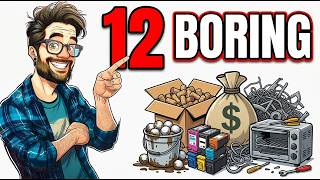
This roundup combines two separate breakdowns into one list of twelve boring business ideas that consistently make money precisely because they are unglamorous. The first six run on what we call the Broken Thing Toll: learn one narrow skill, attach yourself to something that breaks on a predictable schedule, and charge a toll every time it does. The second six are built on free inventory — items other people are actively paying someone to haul away, from spent printer cartridges sitting in an office closet to the scrap metal piling up on a job site.
Key Takeaways
- Six repair trades — appliance repair, garage door repair, glass and mirror installation, flooring installation, mobile welding, and locksmithing — all run on the same underlying model: a narrow skill applied to something that breaks on a predictable cycle.
- The second six businesses are built on free or near-free inventory: items like lost golf balls, spent printer cartridges, restaurant wine corks, and contractor scrap metal that owners are already paying to get rid of.
- Low competition in these niches exists because the work is unglamorous, not because the margins are bad — many of these trades pay better per hour than office jobs once a customer base is built.
- Licensing, insurance, and resale values vary by city and state, so local rules should be checked before starting any of these.
- The businesses are ranked from easiest to start to most defensible against competitors, which matters more for long-term income than which one sounds most interesting on day one.
The Broken Thing Toll: Six Repair Trades With Built-In Demand
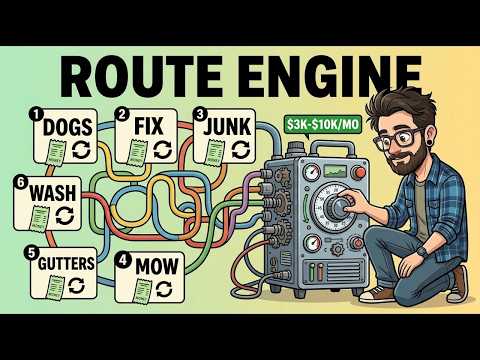
The first half of this list covers trades where the business model barely changes from one to the next. Something in a home or business breaks, it needs a specialist to fix it, and that specialist can charge a toll every single time it happens again. The appeal is not the work itself — it is the fact that demand renews on its own, without any marketing spend, because appliances, garage doors, and locks do not stop breaking just because a market gets more competitive.
Appliance Repair
Every home runs on a handful of major appliances, and every one of them eventually fails. Appliance repair technicians step in when a refrigerator stops cooling or a washing machine won't spin, charging a service call plus parts. The barrier to entry is a set of tools and a working knowledge of common failure points, not a four-year degree. One detail worth noting: Harry originally sold HVAC parts over a counter before he noticed who in that supply chain was actually getting paid — and it wasn't the person behind the register.
Garage Door Repair
A stuck garage door is not a problem homeowners tolerate for long, which makes this one of the more urgent calls in the list. Springs, openers, and tracks wear out on a predictable timeline, and a technician who shows up quickly and fixes the problem correctly earns repeat business from the same neighborhood for years.
Glass and Mirror Installation
Broken windows, shower enclosures, and custom mirrors all require a specialist who can measure, cut, and install glass safely. This trade sits at the intersection of repair work and light custom fabrication, and it tends to attract fewer competitors than more commonly known trades because it looks more technical than it actually is once the basics are learned.
Flooring Installation
Flooring wears out, gets damaged, or simply goes out of style, and replacing it is one of the most common home improvement jobs that homeowners hire out rather than attempt themselves. The toll here is less about emergency repair and more about a steady stream of renovation demand.
Mobile Welding and Locksmithing
Mobile welding brings the repair to the job site — fences, trailers, equipment, and structural fixes that are impractical to haul into a shop. Locksmithing runs on a similar logic: people lock themselves out of homes, cars, and offices on a schedule nobody can predict, and whoever answers the phone first gets paid. Both trades require licensing that varies by state, which is exactly the kind of barrier that keeps casual competitors out.
Learn a narrow skill, own a thing that keeps breaking, charge the toll to fix it.
For readers who want a broader look at this same category of business, the article on 6 boring businesses that make money for under $500 to start covers additional low-cost entry points worth comparing against these six trades.
Free Inventory: Six Businesses Built on What Everyone Else Throws Away
The second half of the list flips the model entirely. Instead of charging for labor, these businesses profit from collecting and reselling items that other people or businesses are already trying to get rid of — in some cases, items a business owner is actively paying someone else to haul away right now. That combination of free inventory and low awareness is what keeps competition thin.
Lost Golf Balls
Every driving range with a water hazard accumulates thousands of golf balls at the bottom of its pond over time. Divers and collectors retrieve them, sort by brand and condition, and resell them in bulk to golfers who want name-brand balls at a fraction of retail price. The range gets a cleaner pond, the collector gets inventory that cost nothing to acquire.
Spent Printer Cartridges
Offices generate a steady stream of empty toner and ink cartridges, and most of them sit in a supply closet or go straight into the trash. A collector who sets up a simple pickup arrangement with local businesses can resell those cartridges to remanufacturers, who refill and resell them. It is a quiet, low-visibility business precisely because almost nobody thinks to look for it.
Restaurant Wine Corks
Restaurants that pour a meaningful amount of wine throw out a bin of corks every night without a second thought. Corks have resale value to craft suppliers, décor makers, and specialty recyclers, and a restaurant that would otherwise pay for that waste to be hauled away is often happy to hand it over for free.
Contractor Scrap Metal
Construction and demolition sites generate scrap metal as a byproduct, and contractors frequently pay a hauling fee just to get it off the property. A resale operator who offers free pickup removes that cost for the contractor while collecting inventory that can be sold to scrap yards at market rates — a arrangement where both sides come out ahead.
The full breakdown ranks all twelve businesses — six repair trades and six free-inventory plays — from easiest to start to most defensible over time, with the quietest and most overlooked one requiring almost no upfront investment because the inventory is something a business owner is already paying to have taken away. For a related look at turning discarded materials into income, how to start a junk removal business covers the costs, margins, and real income numbers for a business built on a similar principle.
Why Boring Businesses Outperform Trendy Ones on Competition
The common thread across all twelve of these ideas is that they solve a problem nobody enjoys thinking about. That is exactly why they stay low-competition year after year — most people searching for a side hustle gravitate toward businesses that sound exciting, not toward a driving range pond or a restaurant's cork bin. The businesses that keep paying quietly are usually the ones built around a real, recurring need rather than a trend that peaks and fades.
This same logic applies to skilled trades more broadly. Readers interested in higher-income paths that follow a similar low-competition pattern may also want to review 5 high-paying trades most grads ignore, which covers certification paths that cost under $2,000 to start.
Watch the Full Video Breakdown
This article summarizes the framework behind all twelve businesses, but the video walks through each one in more visual detail — including the specific ranking from easiest to most defensible, and the reasoning behind which of the free-inventory businesses requires the least upfront cash to get moving. Watching the full breakdown is the fastest way to decide which of the twelve fits a given skill set, budget, and local market before committing time to research or licensing.
Frequently Asked Questions
What is the most profitable boring business to start with no experience?
Among free-inventory businesses, collecting and reselling items like spent printer cartridges or scrap metal requires the least prior skill, since the main task is arranging pickup and finding a buyer. Among repair trades, appliance repair and locksmithing have relatively accessible entry points through short certification courses.
Do boring businesses like appliance repair or locksmithing require a license?
Licensing requirements vary significantly by city and state. Locksmithing in particular often requires state-level licensing or registration, while appliance repair and mobile welding may only require general business licensing and insurance. Local rules should always be checked before starting.
How do free-inventory businesses like scrap metal resale actually make money?
These businesses profit from the spread between free acquisition and resale value. A contractor who would otherwise pay a hauling fee for scrap metal instead gives it away for free pickup, and the collector resells that same material to a scrap yard or buyer at market rate, capturing the difference as profit.
Which boring business has the least competition?
Businesses built on overlooked waste streams — like restaurant wine corks or spent printer cartridges — tend to have the least competition because most people never think to look for value in them. Repair trades have slightly more competition but remain low-competition relative to more visible service businesses.
Can these boring businesses really run passively?
Most start as active, hands-on work — making pickups, doing repairs, and building relationships with businesses or homeowners. Over time, several can be scaled into more passive operations by hiring technicians or drivers, but none of the twelve start out as fully passive income streams.