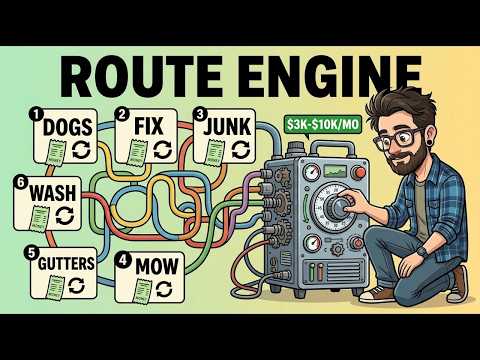
Two twenty-two-year-olds, same town, same starting point. One carries $40,000 in student loans and earns $40,000 a year at an office job. The other skipped college entirely, works from a home driveway, and cleared $120,000 last year. The gap between them isn't talent or connections — it's what they parked at home. This breakdown covers 18 real income paths across three categories: five driveway service trades, five high-earning work vehicles, and eight licensed vocations that routinely pay six figures without a four-year degree.
Key Takeaways
- Driveway service businesses can reach $80K–$120K in year one with tool investments under $5,000
- Five work vehicles — from box trucks to hot shot rigs — generate $400–$900 per day with a high school diploma
- Eight licensed trades including HVAC, elevator tech, and instrumentation routinely pay $60K–$190K without college
- The elevator technician trade pays over $190,000 by year three with virtually no competition for open seats
- Driveway trade startups require $500–$15,000 and can reach positive cash flow within 30 days
- Combining a driveway trade with a licensed apprenticeship is the fastest path from $40K to $120K
Stack 1: 5 Driveway Trades That Beat Shop Wages
These five businesses share one structural advantage: you eliminate the employer split. A shop mechanic earning $22–$28 per hour bills the same labor rate a mobile operator charges — except the shop keeps $30–$50 of every $80 billed. Running independently changes that math entirely. Each of these trades operates from a home driveway with no commercial lease required.
Mobile Mechanic
A mobile mechanic brings a diagnostic scanner, hand tools, and common replacement parts directly to the customer. Most high-demand jobs — oil changes, brakes, alternators, batteries — are fully driveway-serviceable without a lift. Day rates run $400–$600 for a fully booked day, and tool investment starts around $3,000–$5,000. Operators report that cold-calling used car dealers and small fleet managers with an offer for a free diagnostic visit typically converts to a recurring service contract.
Mobile Auto Detailing
Mobile detailing has one of the lowest barrier-to-entry profiles on this list. A pressure washer, foam cannon, microfiber towels, and a basic coating kit can be assembled for under $500. Booking four cars per day at $180–$220 per detail brings in $720–$880 daily without a shop lease. The full breakdown of how a $500 detailing kit generates $88K in year one covers the booking cadence, upsell sequence, and pricing by service tier.
Mobile Diesel Repair
Fleet managers for trucking, construction, and agricultural companies pay premium rates for mobile diesel technicians because commercial vehicle downtime costs more per hour than the repair itself. A fully equipped mobile diesel rig costs $8,000–$15,000 to set up, but day rates run $600–$900. ASE diesel certification is the standard licensing path — under $300 to test and achievable with hands-on experience alone.
Mobile Welding
On-site welding commands premium rates because transporting heavy equipment to a shop is often impractical. Farm machinery, trailers, and structural steel are the most common on-site jobs. A certified welder with a portable rig earns $50–$125 per hour on location. A quality portable welder and generator setup runs $2,000–$6,000, and agricultural corridors and active construction zones are the highest-density markets for this trade.
Mobile Small-Engine Repair
Small-engine repair — lawnmowers, chainsaws, generators, pressure washers — is a neighborhood-level business with near-zero competition in most markets. Operators charge $65–$95 per hour plus parts, and spring demand spikes regularly push part-time operators to $3,000–$4,000 in a single month. The entire operation runs from a two-car garage with a workbench and a modest tool set.
Stack 2: The 5 Highest-Paying Vehicles You Can Park at Home
Each of these vehicles is a business you park in the driveway and deploy for revenue. The threshold between owning a work truck and running a vehicle business is a business license, commercial insurance, and the first booked load. These five options range from under $10,000 to roughly $65,000 for a full setup — and the right first vehicle is whichever one reaches positive cash flow fastest in your market.
Box Truck Delivery
A 16–26 foot box truck running local delivery, moving jobs, or appliance hauls generates $300–$600 per day. Entry-level used trucks run $12,000–$25,000. Local moving is the fastest path to positive cash flow — no route approval required, no dispatch system needed, and year-round demand exists in most markets.
Dump Trailer
A dump trailer attached to an existing pickup can start generating income the week it is purchased. A quality 7x14 dump trailer costs $5,000–$8,000. Operators report $300–$500 per load day across junk removal, landscaping debris hauling, and construction cleanup — three demand streams that rarely dry up simultaneously.
Hot Shot Trucking
Hot shot trucking — time-sensitive freight moved with a dually pickup and gooseneck trailer — is the vehicle path that hits $900 per day at full booking. A used dually and 40-foot gooseneck trailer run $40,000–$65,000 combined. Revenue per loaded mile runs $2.50–$4.00, with 300–400 mile runs common. A well-booked operator clearing $900–$1,200 per trip at two to three trips per week crosses $100,000 annually.
Tow Truck
A tow truck operation requires a commercial license and liability insurance, but the barrier is lower than most assume. A used wheel-lift tow truck starts at $15,000–$25,000. Operators on roadside assistance networks report $200–$400 per hook, with 6–10 hooks on a busy day. Joining a dispatch service provides immediate load access without building a customer base from scratch.
Mobile Car Wash
A mobile car wash — water tank, pressure washer, and polisher in a small enclosed trailer — requires no commercial wash bay permit. Operators targeting apartment complexes and office park fleets generate $500–$800 per day. Startup cost runs $1,500–$3,500, the lowest-cost vehicle-based entry on the list.
Stack 3: 8 Licensed Trades That Pay Six Figures Without College
These eight trades share one structural advantage: the license creates a legal floor competitors cannot undercut. Office salaries float with market sentiment; a licensed master plumber or journeyman elevator mechanic operates in a credentialed market with enforced pricing minimums. These are the income paths most high school guidance counselors skip because they don't fit a four-year curriculum — and that oversight is your opportunity.
HVAC Technician
HVAC technicians install, maintain, and repair heating and cooling systems. EPA 608 certification — required for refrigerant handling and available for under $100 — is the entry credential. Full licensing takes 2–5 years through an apprenticeship or trade program. Median pay runs $58,000–$75,000; commercial HVAC contractors clear $100,000+. Total certification cost typically stays under $2,000, as detailed in the breakdown of high-paying trades most graduates overlook.
Elevator Technician
This is the trade where the $190,000 by year three figure originates. The NEIEP (National Elevator Industry Educational Program) apprenticeship runs four years, but journeyman elevator mechanics in major metro markets average $90,000–$110,000, with overtime and union scale pushing top earners well beyond that. The seat stays open because the work involves confined spaces, heights, and complex mechanical systems — most candidates opt out before they start. That barrier is your earning advantage.
Plumber
The plumbing path moves from apprentice to journeyman to master license over 4–5 years. Master plumbers running their own service operation routinely clear $80,000–$130,000. Emergency service calls charge $150–$250 per hour. A licensed plumbing contractor running one or two crew members pushes well past $150,000 in most markets.
Electrician
The electrician apprenticeship follows the same ladder as plumbing. A journeyman electrician earns $60,000–$80,000 employed; a licensed electrical contractor with a small crew reaches $150,000+. Commercial work pays 20–30% more than residential, and industrial electricians in manufacturing or utility environments earn the most.
Power Line Worker
Electrical power line workers maintain the grid and restore power after storms. Experienced linemen earn $80,000–$120,000 in base pay, with storm overtime that effectively doubles annual income in a strong season. Many utilities offer paid apprenticeships — one of the few paths where you earn a full wage while building the credential.
Crane Operator
An NCCCO (National Commission for the Certification of Crane Operators) certification is the primary credential, costing $500–$2,000 depending on crane type. Experienced operators in construction and port operations earn $70,000–$110,000; offshore and heavy-lift specialists clear $130,000+. Working with multi-ton loads at elevation keeps the applicant pool smaller than demand in most markets.
Instrumentation Technician
Instrumentation techs calibrate and troubleshoot sensors and control systems inside industrial facilities — refineries, chemical plants, and power stations. Experienced techs earn $75,000–$130,000. The typical path starts with an electrical or HVAC background, then adds instrument-specific certifications. Few people outside the industry know the role exists, which keeps competition low and wages high.
Industrial Pipefitter
Industrial pipefitters specialize in high-pressure piping systems for refineries and chemical plants. The union apprenticeship runs five years, but journeyman pipefitters in industrial markets earn $70,000–$100,000, with turnaround and shutdown work adding weeks of double-time overtime. This is the trade in Stack Three that out-earns most office middle managers — and it almost never appears on a recommended career list.
Which of These 18 Fits Your Situation
Anyone looking to start this weekend has clear entry points: mobile detailing for under $500 in tools, or a mobile mechanic setup for under $5,000. Someone leaving an office job with $15,000–$40,000 available has a stronger ROI case for a hot shot rig or dump trailer — positive cash flow within 30–60 days is realistic with full-time commitment.
For anyone willing to invest two to five years in a licensed path, the eight trades in Stack Three offer the most durable income. Elevator technician and instrumentation tech specifically benefit from low new-entrant competition — the earning ceiling is high precisely because most candidates opt out early. The fastest path from $40,000 to $120,000 combines both approaches: a driveway trade for immediate cash flow while completing a licensed apprenticeship in parallel.
Watch the Full Video Breakdown
For a visual walkthrough of all 18 paths — the day-rate math, the tool lists for each driveway trade, and the step-by-step licensing roadmaps for the eight trades — watch the full breakdown on the HS YouTube channel. Each section is timestamped so you can jump directly to the trade or vehicle that fits your situation: 18 Boring Driveway Trades and Vehicles Out-Earning Office Jobs.