Somewhere near the coffee shop you visit every week, there is probably an old cigarette machine — painted over and bolted to the wall — quietly dispensing tiny original artworks for ten or twenty dollars a pull. A few miles away, a refrigerated box at a boat ramp is selling live worms to sunrise fishermen with nowhere else to turn. Neither machine belongs to a corporation. Both belong to regular people who drive a short loop on Saturdays, empty a coin box, and go home by lunch. That is the coin-operated machine business in its honest form: small, unglamorous, and consistently overlooked — which is exactly what makes it work.
Key Takeaways
- A single coin-operated machine generates modest income, but a route of 10–12 machines on one tight drive loop can produce $1,500–$5,000 per month.
- Art vending machines earn $50–$300 per month and require restocking only every three to four weeks, with artists supplying inventory on consignment at no cost to the operator.
- Kids' sticker and tattoo machines carry 90–97% gross margins — roughly three cents in cost for every dollar collected.
- The live bait vending machine serves a captive, repeat customer base with zero competition at 4 AM — a market established enough that Louisiana parishes have written formal ordinances permitting these machines at public boat ramps.
- The Coin Cluster Route keeps all machines serviceable in a single Saturday drive loop, converting hobby-scale income into real monthly cash flow.
- Seasoned route operators follow one protective rule: no single host location should account for more than 25% of total route income.
Why the Coin-Operated Machine Business Stays Uncrowded
The logic behind a coin-operated machine business is counterintuitive. No single machine makes anyone wealthy — and that is precisely why the category stays uncrowded. Most people searching for passive income want one high-return asset. The machine route works differently. It is built on accumulation: a handful of low-maintenance machines, each earning a reliable monthly amount, all clustered within a short drive loop that one person can service in a single afternoon.
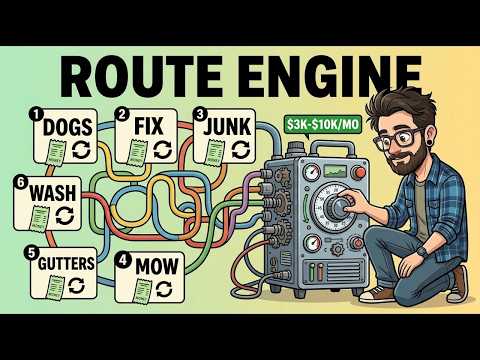
This model has a name worth understanding: the Coin Cluster Route. Rather than chasing one perfect machine, the operator places several small ones close together — ideally within a 20- to 30-minute drive loop — so the full route can be serviced in a single Saturday. One machine is a hobby. A dozen machines generating a blended average of $200 each per month is $2,400 per month before host commissions and restock costs. Same effort, completely different result.
The six machines below each have distinct placement rules, income ranges, and trade-offs. What they share is the absence of employees, storefronts, and standing behind a counter. For a broader look at low-overhead small business models, see 6 Boring Businesses That Make Money Under $500 to Start.
The 6 Coin-Operated Machines Worth Owning
1. The Art Vending Machine
The art vending machine is the most visually distinctive option on this list and, in many cities, the easiest to place. The concept dates to 1997, when artist Clark Whittington converted a decommissioned cigarette machine into what he called an Art-o-mat — a dispenser of tiny original artworks priced at $10 to $20 per pull. The format spread because it is genuinely simple to operate, and today restored machines sit in cafes, galleries, and bookstores across the country.
A single art machine in a well-trafficked cafe generates $50 to $300 per month. The economics are unusual for a vending business: the operator purchases no inventory. Local artists supply small original pieces on consignment, typically retaining 50% to 70% of each sale. The venue takes a small cut. The machine owner keeps the difference and provides only the machine and wall space. Entry cost runs from $1,500 to $4,000 for a used, restored unit — a price point that functions as a natural moat, since few people are willing to source and restore an old cigarette machine. Restocking is light, roughly every three to four weeks, since original art sells more slowly than consumables. The best placements are in venues where customers sit and linger: independent cafes, craft breweries, and bookstores. A machine positioned where people wait consistently outperforms one placed in a fast-traffic corridor.
2. The Coin-Operated Shoe Shine Machine
The coin-operated shoe shine machine runs on nostalgia — and that nostalgia is the business model. A floor-standing unit accepts two quarters and buffs the user's shoes while they stand there, a 60-second transaction common in hotel lobbies and barbershops for decades. A well-placed unit earns $50 to a few hundred dollars per month.
There is no product to source and no perishable inventory. The operator splits a small percentage with the host, swaps the polish buffer periodically, and empties the coin box on the standard Saturday loop. The placement universe is narrow but reliable: upscale hotel lobbies, old-school barbershops, and men's clothing stores — anywhere men in dress shoes stand and wait. It is a quiet earner from a corner of a lobby that would otherwise generate nothing, and it stacks cleanly onto a multi-machine route.
3. The Kids' Sticker and Tattoo Machine
The sticker and tattoo vending machine is where the margin math becomes difficult to ignore. A small two-column machine positioned near the entrance of a diner, bowling alley, or pizza restaurant sells stickers and temporary tattoos for $0.50 to $1.25 per item. Cost to the operator runs $0.03 to $0.15 per unit — a 90% to 97% gross margin, making it one of the cleanest cost structures in any small business category.
A basic single-slot machine earns $20 to $200 per month. A dual-slot unit that combines a sticker dispenser with a capsule toy column can reach $300 to $500 per month in a high-traffic family location, because it captures two distinct age groups from the same square foot of floor. The host typically takes 15% to 25% of revenue or a small flat monthly fee, and the operator restocks approximately once per month. The honest caveat is that a single sticker machine produces modest standalone income. This machine is designed to be one stop on a multi-machine route, not a standalone income source — and the dual-slot configuration consistently outperforms the single-column version.
4. The Fortune Teller and Novelty Scale
The vintage fortune teller machine and novelty weight scale occupy a different role within a coin-operated machine route. Reliable operator revenue data for these units is limited — they function more as conversation pieces than high-volume earners, likely producing income in a similar range to a sticker machine on a per-month basis. What they contribute to a route is harder to quantify in dollars: increased dwell time, sustained customer curiosity, and the kind of visible novelty that draws quarters throughout the day simply because people find them entertaining.
A restored vintage unit placed near the entrance of a diner or along a boardwalk generates consistent novelty interest. Entry cost falls in the low thousands for a quality restored machine, and the placement deal follows the same host-split structure as the other machines on this list. Labor is minimal because there is no physical product to restock — only coins to collect.
5. The Tourist Binocular Tower Viewer
The coin-operated tower viewer — the binoculars mounted at scenic overlooks, observation decks, and marina rail points — is the most thoroughly documented machine on this list. Tower Optical Company has been manufacturing these units since 1933, and thousands remain in service at parks, caverns, and waterfront attractions across the country.
Each viewer holds up to 2,000 quarters and charges approximately $0.50 per use. Site revenue data from Sausalito, California shows well-placed units earning $100 to over $800 per month. One unit at Howe Caverns earned around $1,000 per year at peak before foot traffic declined — a reminder that the viewer's performance is entirely a function of crowd volume at the underlying site. One famous location fading to almost nothing as visitors dried up illustrates the core risk in one data point.
The placement strategy is straightforward: prioritize busy, ticketed attractions with parking lots that fill consistently. A machine at a well-attended county park or marina will consistently outperform one at a scenic but remote pull-off. Operators source units from manufacturers like Tower Optical or Vellardi, then negotiate a revenue split with the site owner. Labor is close to zero — no product to restock, only coins to collect on the standard Saturday loop.
6. The Live Bait Vending Machine
The live bait vending machine is the most operationally demanding machine on this list and arguably the most defensible. A refrigerated, aerated box installed at a boat ramp or lakeside gas station dispenses live worms, minnows, and crickets around the clock — including at 4 AM, when every bait shop for miles is locked. That timing is the entire business case. The angler at 4 AM has no alternative and is already committed to the purchase before reaching the machine.
This is a verified, formally sanctioned commercial category. St. Mary Parish, Louisiana, wrote a formal ordinance exception specifically permitting live bait vending machine service at public boat ramps — an unusual level of regulatory recognition that signals established, real-world demand. Operators report income in the range of several hundred dollars per month per machine, with repeat customers returning consistently throughout fishing season because fish do not follow business hours.
The trade-off is restock frequency. Because inventory is alive, operators return every two to three days rather than once per month. The practical solution is a partnership with a local bait wholesaler who handles sourcing and live stock maintenance — the operator manages placement and coin collection while the wholesaler manages supply. Local ordinance requirements vary by municipality, so a brief review of local rules before machine placement is standard practice and typically takes under 15 minutes of research.
The Route Math: What a Full Coin Cluster Route Actually Earns
A single machine earns modest but real money. The route is where the numbers shift. At scale — 10 to 12 machines on a tight drive loop — a blended average of $200 per machine per month produces $2,400 per month in gross revenue before host commissions and restock costs. A realistic first-year projection on a growing route, accounting for slow early months while locations are established and weak performers are replaced, falls between $8,000 and $25,000 in total income, weighted toward the second half of the year.
The growth curve is not linear. Month three with one machine might generate $90. Month six with three machines might reach $400 per month. Month twelve with six machines and a route growing toward a dozen can produce over $2,400 per month. The early phase appears flat — but it is accumulating. The operators who quit early mistake the loading phase for a ceiling. For other asset-light cash flow models with similarly gradual build curves, see 5 Boring $20K Cash-Flow Machines That Pay You Every Month.
The money was never in any one machine. It is in the cluster. One machine is a hobby. A dozen machines is an income. Same work, same Saturday — completely different result.
Three Filters for Your First Machine Placement
Before placing any machine, three questions determine whether a location belongs on the route.
- Does the location have genuine foot traffic, or a captive crowd? A boat ramp at 4 AM is captive by definition. A cafe where customers linger for 30 minutes is strong foot traffic. A fast-moving hallway is not. Crowd quality matters more than raw headcount.
- Can a placement deal be signed this month? A handshake agreement with a host willing to accept a small revenue percentage is sufficient to start. If the approval process is prolonged or uncertain, move to the next candidate location.
- Can this machine be serviced on the same Saturday loop as everything else? Machines outside the drive loop are not on the route. Geographic discipline is what keeps the operation manageable for one person with one tank of gas.
One additional rule governs route health over time: no single host location should represent more than approximately 25% of total monthly income. Locations change ownership, renovate, and close. A route where one location accounts for half the revenue is fragile. A route where the largest location accounts for a quarter of revenue can absorb any single loss as a temporary setback rather than a collapse — a distinction that determines whether an operator stays in the game or walks away.
Watch the Full Video Walkthrough
The framework above covers the structure of a coin-operated machine route, but seeing how each machine fits into a real Saturday service loop — with the placement pitches, the income data, and the route math illustrated in sequence — makes the model concrete in a way the numbers alone do not. The full video walks through all six machines with the honest trade-offs, the host deal structure, and the exact moment the whole thing clicks. Watch the complete breakdown on YouTube: 6 Coin Operated Machines You Walk Past That Someone Quietly Owns.