- Key Takeaways
- Why Weekend Businesses Without a Shop Work
- Part One: Six Boring Things You Buy Once and Rent Out Every Weekend
- Part Two: Seven Boring Foods That Sell Out Before One O'Clock
- How to Choose Between Renting and Selling
- Getting Started Without Overspending
- Watch the Full Video
- Final Thoughts
Some of the most dependable weekend income comes from businesses that never need a storefront. Six ordinary items sit in a driveway all week, go out on a Friday, come back on a Monday, and get paid for the weekend. Seven foods sell out at a weekend market before one o'clock, and not one of them needs a shop, a counter or a single member of staff. This guide combines two of our best weekend lists into one: six boring things you buy once and rent out, and seven boring foods one person makes on a single folding table.
Key Takeaways
- Six boring assets can sit in a driveway all week, go out on Friday, return on Monday, and get paid for the weekend.
- Seven weekend market foods sell out before one o'clock without a shop, a counter or any staff.
- The rental list is ordered by what each item costs to buy, so you can start at your own budget.
- The food list is built around one person, one folding table and one cheap machine.
- The longest queue at a market is almost never at the prettiest stall.
- Boring and simple beats flashy: the stall with the cheap machine wins the weekend.
Why Weekend Businesses Without a Shop Work
A shop comes with rent, utilities, staff and long opening hours. A weekend business removes almost all of that. Your overhead is the item you own or the machine you carry, and your working time is concentrated into two days. That makes these models attractive as a side income, as a test of a bigger idea, or as a way to build cash flow around a full-time job.
The two halves of this article attack the problem from opposite directions. The first is a rental model: you buy a boring asset once and let customers pay to use it. The second is a food model: you make a simple product in front of a crowd and sell it as fast as you can produce it. Both avoid the shop, and both reward the unglamorous choice.
Part One: Six Boring Things You Buy Once and Rent Out Every Weekend
The first list covers six items that sit in an ordinary driveway all week. They go out on a Friday, come back on a Monday, and get paid for the weekend. They are ordered by what they cost to buy, which matters because your purchase price sets how long it takes to earn the money back.
How the Rental Model Pays
The logic is simple. You buy the asset once. A customer pays to use it for the weekend, when demand is highest. It returns on Monday and waits in the driveway until the next booking. There is no counter, no opening hours and no stock to replace. The asset is the whole business.
Six things sit in an ordinary driveway all week, go out on a Friday, come back on a Monday, and get paid for the weekend.
Why the Cost-to-Buy Order Matters
Because the list runs from cheapest to most expensive, you can pick the entry point that matches your savings. A lower purchase price means a faster payback and less risk if bookings are slow at first. A higher purchase price asks for more capital up front, so it suits someone who has already proven they can keep a cheaper item busy. Starting at the low end and moving up is a sensible way to grow without betting everything on one purchase.
What Makes a Good Rental Item
The best rental items share a few traits. They are boring, so nobody feels the need to own one. They are used for a short time, so customers would rather rent than buy. And they are easy to hand over and take back, so you are not spending the weekend managing them. If you want more rental angles, see our guide to rental business ideas that make money without doing the work.
Part Two: Seven Boring Foods That Sell Out Before One O'Clock
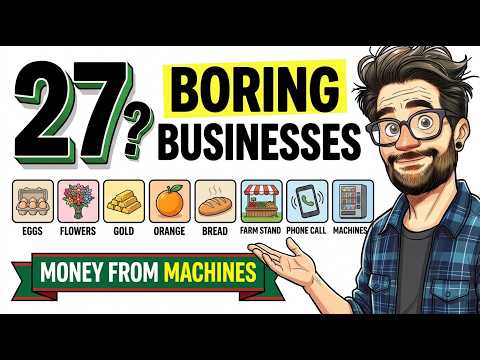
The second list moves from assets to food. Seven foods sell out at a weekend market before one o'clock. None of them needs a shop, a counter or a single member of staff. One person makes the product on one folding table while the queue watches.
The Folding Table Setup
The setup is the point. A folding table and a cheap machine replace a kitchen, a counter and a payroll. Because the product is made in front of the customer, the stall advertises itself. People see the queue, see the product being made, and join the line. That visible activity does the marketing for you.
Why the Cheap Machine Wins
The longest queue at any market is almost never at the prettiest stall. The stall that wins every weekend is the boring stall with the cheap machine. A simple machine means fast output, low cost and fewer things that can go wrong. A beautiful display might attract a glance, but a short production time and a repeatable product attract a line, and a line is what sells out a stall before one o'clock.
The longest queue at any market is almost never at the prettiest stall, and the one that wins every weekend is the boring stall with the cheap machine.
Choosing Your Food Stall
When you compare food options, ask four questions. Can one person make it alone? Can it be made at a folding table? Is the machine cheap? Does the customer watch it being made? A product that passes all four fits the model. A product that needs a team, a full kitchen or an expensive appliance does not.
How to Choose Between Renting and Selling
The two models suit different people. Renting assets rewards patience: you spend money up front, then the weekend bookings come back week after week with very little of your time. Selling food rewards presence: you stand at the table, you make the product, and your income depends on your output during a few market hours.
If you want income that needs little of your own labour on the weekend, lean toward rentals. If you prefer a lower purchase cost and enjoy dealing with customers face to face, lean toward the market stall. Some people run both, using rental income to fund a better machine for the stall.
Getting Started Without Overspending
Start with one item, not thirteen. Pick the cheapest option from whichever list fits you, test it for a few weekends, and only then reinvest. This matches the thinking in our article on boring businesses that make money for under $500 to start: keep the entry cost small, prove demand, and scale later.
- Check local rules. Markets, food sales and rentals may require permits, insurance or licences, so confirm before you spend.
- Protect yourself. Rental items that customers take away can be damaged or lost, so consider agreements and deposits.
- Track every weekend. Record what you spend and what each weekend earns so you know when the purchase has paid for itself.
- Keep it boring. The simple, repeatable choice usually beats the clever one.
Watch the Full Video
This article summarises the two lists, but the video shows how all thirteen ideas are laid out, in order, from the cheapest rental to the foods that sell out at the market. Watch the full walkthrough here: 13 BORING Weekend Businesses That Run Without a Shop. It is a compilation of two earlier videos from the channel, HS-291 and HS-292, stacked into one, so you get both lists in a single sitting.
Final Thoughts
You do not need a shop to build weekend income. You need a boring asset that people rent, or a boring food made on a folding table with a cheap machine. The pattern behind both lists is the same: skip the glamour, keep the overhead low, and let the weekend do the earning. For more ways to put money to work in simple businesses, read our guide to boring cash-flow machines that pay you every month.