- Key Takeaways
- Why Boring Business Ideas Pay Twice
- 1. Treadmill and Home Gym Removal
- 2. Swing Set and Playset Removal
- 3. Hot Tub Removal
- 4. Old Appliance Haul Away
- 5. Piano Removal
- 6. Junk Boat Removal
- 7. Estate Cleanouts: The Best of the Seven
- How One Operator Put It Together
- Three Filters Before You Pick One
- Watch the Full Video
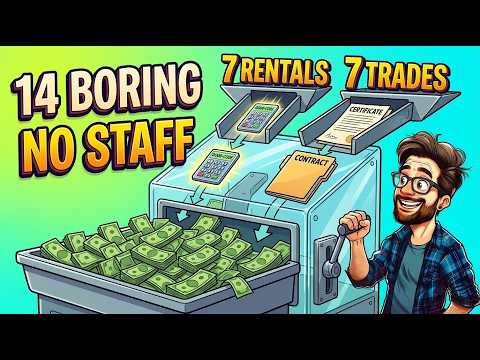
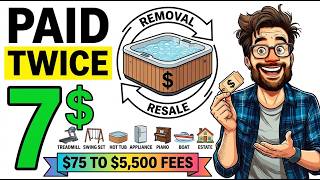
Most junk businesses get paid once: they haul the item away and then pay the dump. The seven boring business ideas below work differently. Each one collects a removal fee from one customer, then sells what it hauled to a second customer. A homeowner pays around four hundred dollars to make a dead hot tub disappear, and then the cover, the pump or even the whole tub sells again. One estate cleanout of an average house runs three to five and a half thousand dollars before the furniture inside it sells a second time. Junk is not a race to the bottom. It is two customers for every job.
This breakdown covers what each business charges, what the hauled goods resell for, and what it costs to start. It is for educational purposes only and is not financial advice. Dump fees, disposal rules and boat title requirements vary by city and state, so check yours before you haul anything.
Key Takeaways
- All seven businesses run on one model, the Coming and Going Fee: the removal fee covers the truck, fuel and dump, and the second sale is the profit.
- Startup costs are low. A dolly and straps run a couple of hundred dollars at most, and a new five by eight trailer at Tractor Supply lists for about eleven hundred.
- General liability insurance for a debris removal business averages around sixteen hundred and fifty dollars a year, according to Insureon.
- Removal pricing is inconsistent. In Albuquerque, treadmill removal ranges from forty nine dollars to a hundred and fifty five, so whoever answers the phone sets the price.
- Estate cleanouts are the best of the seven because they contain all the others: treadmills, appliances, sometimes a piano or a boat.
- The one rule that prevents costly mistakes: price the second sale before you accept the first job.
Why Boring Business Ideas Pay Twice
Boring businesses tend to survive because customers need them whether the economy is good or bad. This list takes that idea one step further. Every job has two customers. The first pays you to make something disappear. The second pays because the item showed up somewhere useful. The removal fee covers the truck, the fuel and the dump, so the second sale is the profit.
The idea echoes Adam Minter's book Junkyard Planet. Minter grew up in a family scrap business, and the book follows the things Americans throw away to the people who pay for them around the world. Its running theme is that almost nothing is garbage to everybody. It is only garbage to the person who owns it right now.
If you want a broader look at this category, see our guide on how to start a junk removal business.
1. Treadmill and Home Gym Removal
The first business is probably in a basement on your street: the treadmill that turned into a clothes rack. ABQ Household Services in Albuquerque charges forty nine dollars for treadmill removal and pickup. Mattress Disposal Plus, in the same city, starts at a hundred and fifty five. Same treadmill, same stairs, and a three times difference in price.
The second payment comes from resale. Garage Gym Reviews says used fitness equipment usually sells for fifty to sixty percent off, and their rule of thumb is to multiply today's new price by about point five five. A treadmill that sells new for eight hundred dollars lists for around four hundred and forty used. Play It Again Sports, the chain that buys and sells used sports gear, resells treadmills and home gyms at forty to sixty percent of the new price.
Picture one Saturday: three pickups at around a hundred dollars each, with two of the three still running and each listing for around four hundred. That is three hundred dollars in fees and up to eight hundred in sales from one Saturday and a dolly. Customers pay because the machine weighs a ton, sits in the basement, and the trash truck will not touch it. They are paying to get their spare room back.
Startup and Marketing
If you already have a pickup, a dolly and a few straps cost a couple of hundred dollars at most. A trailer, if you need one, is about eleven hundred new. Find customers on Facebook Marketplace and neighborhood groups by searching the free section for exercise equipment. A realistic start is two or three pickups in the first month, then steady weekends once your first listings sell. January tends to be the big month, so machines collected in the fall become the inventory you sell after the holidays.
Pro tip: test it before you quote it. Ask the owner to send a video of it running. A running treadmill is a resale, and a dead one is a plain haul priced that way.
2. Swing Set and Playset Removal
Playset Services, a company that takes down, moves and reinstalls wooden playsets, charges two hundred and twenty five dollars and up to remove one, depending on size. LoadUp's swing set haul away starts at around a hundred and five. The second payment comes from a family across town that wants a playset without paying new prices. One buyer on a Reddit r/HomeImprovement thread paid two hundred dollars for a used set, then had to rent a truck to move it himself. That is exactly the job. You can sell the set or charge to put it back up in the new yard.
The first family pays because of dozens of bolts, a frame taller than the garage door, and no trailer. Tools are basic hand tools and an impact driver, plus a trailer if you do not own one. Label every board with painter's tape as it comes down, and the set goes back up in an afternoon instead of a weekend. Spring is when buyers shop, so a set taken down in October can be sold in April.
3. Hot Tub Removal
Hot tub removal sounds like the hardest business on the list, which is why it pays. HomeGuide puts hot tub removal cost at two hundred to six hundred dollars, averaging around four hundred. College Hunks Hauling Junk says a hundred and fifty to eight hundred, also averaging about four hundred. JunkRemovalCosts puts built-in tubs at five hundred to a thousand, and above ground removal at three to six hundred. A tub plus its deck runs eight hundred to two thousand or more. Four tubs a month at the four hundred dollar average is sixteen hundred dollars before you sell a single part.
The parts are where hot tub junk removal turns into a second payment. A new custom spa cover at Leslie's starts around four hundred and ninety five dollars, and a replacement spa pump at Walmart is about two hundred and forty. When a tub dies because one heater quit, the cover and pump are worth listing. Some tubs are not dead at all. One spa cover retailer says sellers commonly ask about half of what the tub cost new, and a company called Hot Tub Salvage advertises that it pays cash for hot tubs. ConsumerAffairs estimates about seven point three million hot tubs in American backyards, with more than two hundred thousand new ones sold every year.
Owners pay because the tub will not fit through the side gate in one piece, it usually has to be cut up, and the city will not take it at the curb. Setup is cheap: JunkRemovalCosts puts a reciprocating saw and blades at fifty to two hundred dollars, plus straps and a ramp. The landfill fee for the pieces runs fifty to a hundred and fifty dollars. If the tub is still wired, an electrician disconnects it first, usually for a hundred to three hundred, which you build into your quote.
Spa dealers are the quiet goldmine, since every new tub they sell has an old one sitting in the customer's yard. Ask to be the name they give out for removal, and list yourself on Google and Marketplace. Quote by video call and have the owner walk the camera around the tub, under the steps and along the deck. A tub on a pad is one job, and a tub sunk into a deck is a different one.
4. Old Appliance Haul Away
This is the easiest one to say yes to. HomeGuide puts washer and dryer removal at seventy to two hundred and five dollars, and refrigerators and freezers at thirty five to sixty each. LoadUp says the average appliance removal runs about ninety five dollars. Working units get cleaned and sold again, and Consumer Reports found warranties from six weeks to six months when it called a dozen used appliance shops, so this is a real resale market. Units that do not work go to the scrap yard, where Metalcharts puts appliance and light iron scrap at roughly four to ten cents a pound. A washer is a lot of pounds, and somebody already paid you to carry it out.
An appliance dolly and a pickup usually cost a few hundred dollars if the truck is already in your driveway. Landlords and property managers are the best repeat customers, because every time a unit turns over, something old has to leave. A few simple fixes learned from free repair videos can be the difference between a scrap check and a resale.
The Garage-Full-of-Treadmills Mistake
Harry learned the expensive lesson around here. He said yes to every treadmill, and by month five his garage held nine machines. Six were old folding models nobody wanted, even at fifty dollars. He had been paid to haul them but was paying in space to keep them. Now, before he quotes, he checks ten sold listings for that exact machine. If it will not sell, it is priced as a plain haul with the dump fee built in. His rule, written on the scale house wall: price the second sale before the first.
5. Piano Removal
Piano removal is the honest one on the list. Junk removal companies commonly charge a hundred and fifty to four hundred dollars to take an old upright, and one piano technician told his trade group's forum that his firm charges a four hundred dollar minimum for removal and disposal. Most old pianos only pay once. M. Steinert and Sons, a long-running piano dealer, says most pianos over forty years old have zero or even negative value because of what it costs to move them. Cooper Piano puts most older uprights at free to five hundred dollars. But Piano Price Point says a beautiful upright can bring up to a thousand dollars, and two to three thousand with work done.
So get paid for the move and keep your eyes open for the good one. You need a piano board, a dolly, straps and a strong helper, usually a few hundred dollars in gear. Piano tuners are the best referral source in town because they hear about every piano nobody plays anymore.
6. Junk Boat Removal
The Coast Guard's 2024 numbers show about eleven point seven million registered recreational boats in America, and plenty have not touched water in years. Boat Removers publishes its prices: a boat up to twenty feet on dry land is seventy dollars per foot, a jet ski or small watercraft is four hundred and seventy five, and twenty to twenty seven feet runs seventy five to ninety a foot. One sailor on the SailNet forum put typical removal fees for bigger boats at upwards of a hundred dollars a foot. A sixteen foot boat on dry land comes to eleven hundred and twenty dollars just to take away.
Then look at what comes with it. Used single axle boat trailers at UsedOutboards list from about twenty four hundred and fifty to just under four thousand dollars, and Boat Trader shows a sixteen foot EZ Loader at twenty five hundred. If the motor runs, outboards sell too: Bridgeview Marine lists a used Mercury twenty horsepower at three thousand dollars, and Budget Boats has listed older one hundred and thirty to one hundred and fifty horsepower motors at thirty five hundred with a ninety day warranty. Not every boat has a good trailer or running motor, but plenty have one or the other.
Owners pay because the boat is too big for the dump, the marina or HOA wants it gone, and fixing it would cost more than it is worth. You need a pickup with a proper hitch, tools to pull a motor and good straps. Never skip the paperwork: confirm there is a title or registration in the owner's name before you hook up, and check your state's rules. Price by the foot and look hard at the trailer before you quote. A good trailer is your profit, and a rusted one is scrap.
7. Estate Cleanouts: The Best of the Seven
When a parent passes away or moves into assisted living, a family suddenly has a house full of belongings and a closing date. Angi and HomeAdvisor put the average estate cleanout at about twelve hundred and fifty dollars, with big jobs reaching six thousand. Jiffy Junk, a cleanout company that publishes its prices, says average homes run three thousand to fifty five hundred. Under a thousand square feet is one to three thousand, and a house over thirty five hundred square feet can run seven to fifteen thousand or more.
Inside the house is every other business on this list: the treadmill, the washer, sometimes the piano, sometimes a boat in the garage. Estate sale companies typically keep thirty five to forty percent of what they sell, according to Angi and HomeAdvisor citing the American Society of Estate Liquidators. Their whole business is the second payment. Picture two average houses at around four thousand dollars each: eight thousand dollars in cleanout fees. Pay two helpers for a few long days each, then sell the good furniture, garage tools and working appliances through Marketplace and consignment.
Families pay because they live three states away, the realtor wants photos next week, and nobody can face sorting a parent's kitchen. Startup costs match the rest: a trailer around eleven hundred dollars, dollies, moving blankets, and liability insurance around sixteen hundred and fifty a year. The real cost is helpers, and you only pay them on job days. Customers come from estate attorneys, realtors and senior move managers. Walk the house room by room before you quote, price the haul, then take off part of what you expect to resell. Promise the family that every photo album, letter and box of papers goes back to them.
How One Operator Put It Together
Harry started with a neighbor's treadmill in month two: seventy five dollars to take it, three hundred and twenty when it sold eight days later. He added hot tubs in month six after a spa dealer handed him a stack of addresses, and in month fourteen a customer asked him to empty his late father's house. By month eighteen, treadmills, hot tubs and two cleanouts a month were bringing in about five thousand eight hundred and thirty seven dollars a month after helpers, fuel and dump fees. It was not overnight, but most of those jobs paid him twice.
Three Filters Before You Pick One
- Can you find ten sold listings for what comes out of the job?
- Does it fit the truck you already own?
- Do you know your dump fee to the dollar?
Three yeses and the job pays twice. With a pickup and a free Saturday, start with treadmills. With a trailer and a saw, try hot tubs. If you are organized and good with families during a hard week, go for cleanouts. For a next step that costs nothing, call your local transfer station and ask what they charge for a pickup load, then find three sold listings for a used treadmill in your town. If the numbers do not work where you live, you have learned something most people with a pickup never check.
For more low-cost ideas, read 6 boring businesses that make money for under $500.
Watch the Full Video
Want to see the numbers walked through step by step? Watch the full video, 7 Boring Business Ideas That Get Paid Twice for the Same Thing, for a visual walkthrough of all seven businesses. Then tell us which one you would start by commenting a number from one through seven.