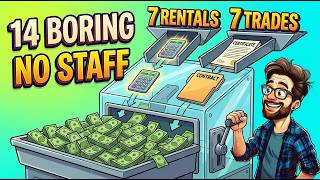
One door code that expires when the hour does. One cheap weekend course. That is the entire startup kit behind some of the most boring businesses on earth, and not one of them needs a crew standing around on payroll. If you are searching for boring businesses with no employees, this guide combines two lists into one: seven businesses that rent a private hour of space behind a locked door, and seven trades where a weekend course is the moat and a recurring contract compounds into five figures a month.
Key Takeaways
- Seven boring businesses rent one private hour of space behind a locked door, where nothing is dispensed and nobody works on site.
- Seven boring trades use a weekend course as the moat, with no degree and no crew required.
- Recurring contracts are what compound these trades into five figures a month.
- Both halves share one quiet rule that lets owners avoid hiring anyone to keep the money coming in.
- Low startup costs and no payroll make these models a practical starting point for a boring business with no employees.
Why Boring Businesses Work Without Employees
The most profitable small businesses are rarely glamorous. They sit in a corner of the economy that most people ignore, solve a plain problem, and charge for it on a repeat basis. Because the work is simple and the systems are fixed, there is little reason to put anyone on payroll.
This article stacks two of our best boring-business lists into one. The first half covers space-rental models where the product is a private hour behind a locked door. The second half covers skilled trades where a weekend course creates a barrier that most competitors will never cross. Read side by side, they point to the same underlying rule.
One door code that expires when the hour does. One cheap weekend course. That is the whole startup kit.
Part One: Seven Businesses That Rent a Private Hour Behind a Locked Door
How the Locked-Door Model Works
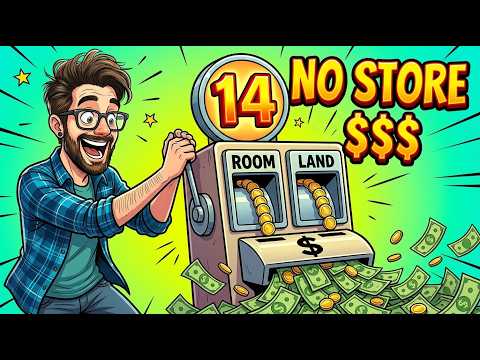
The first group of seven boring businesses all rent one private hour of space. Customers get access through a code that expires when their booking ends. Nothing is dispensed, nothing is handed over, and nobody works there. The owner sells time and privacy in a space that sits otherwise empty.
This is what makes the model so different from a typical shop or restaurant. There is no counter to staff, no inventory to restock, and no shift to schedule. The booking, the payment and the access code all run on their own, so the business keeps earning without an employee ever being involved.
Why It Fits a No-Employee Setup
Because the product is simply the hour, the owner's job is to keep the space ready and the booking system running. If you want to see how other low-effort models are structured, our guide to 6 rental business ideas that make money without doing the work covers the same principle from a different angle.
Part Two: Seven Trades Where a Weekend Course Is the Moat
The Weekend Course Advantage
The second group of seven boring trades is built on skills you can learn quickly. A weekend course is the moat: it is cheap, it is short, and it is enough to separate you from the crowd of people who will never bother. There is no degree to earn and no crew to hire.
Recurring Contracts Compound
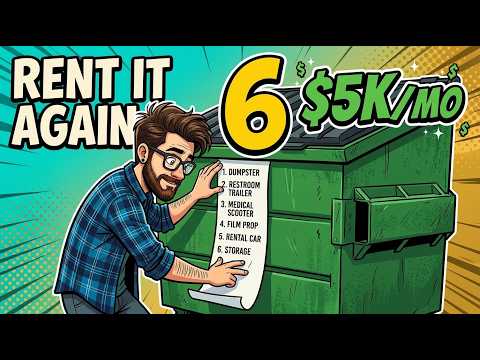
What turns a trade into a real business is the recurring contract. One-off jobs keep you chasing the next customer. A recurring contract means the same customer pays again on schedule, and as contracts stack up, the income compounds into five figures a month. You do the work yourself or systemise it, and you never need a crew on payroll.
For more examples of trades with low entry costs, see 5 high-paying trades most grads ignore, and for a hands-on service business built from a small kit, read about mobile auto detailing.
The One Quiet Rule Both Halves Share
Put the two lists next to each other and a shared rule appears. In both, the owner builds something that earns without needing another person to keep it going. In the locked-door businesses, a code and a booking system replace the staff. In the trades, a specialised skill and a recurring contract replace the crew.
Owners who follow this rule never have to hire a single person to keep the money coming in. That is the real appeal of a boring business with no employees: fewer moving parts, lower costs, and far fewer things that can go wrong.
How to Choose Which Model Fits You
If you prefer to invest in a space and let bookings do the work, the locked-door side is the better match. If you would rather learn a skill and build a base of repeat customers, the trade side suits you. Either way, start small, keep your costs low, and aim for recurring revenue rather than one-off sales. For a broader starting point, see 6 boring businesses that make money under $500 to start.
Watch the Full Video
This article summarises the key ideas, but the video walks through every one of the 14 businesses visually. Watch 14 BORING Businesses That Run Without a Single Employee on YouTube to see the full lists and the shared rule explained step by step.