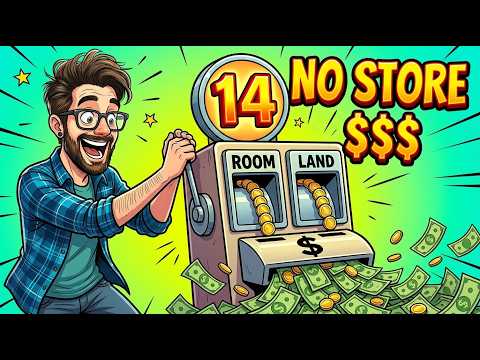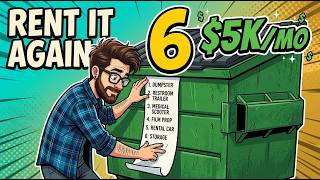
- Key Takeaways
- 1. Dumpster Rental: The Easiest Way In
- 2. Portable Restrooms and Luxury Restroom Trailers
- 3. Medical Equipment Rental
- 4. Prop Rental for Film and Events
- The Contract Line That Nearly Sank Harry's First Month
- The Short-Need Rent: What All Six Have in Common
- 5. The Turo Car Rental Business
- 6. The Self Storage Business
- How to Pick Your First Rental Asset
- Watch the Full Video Breakdown
Nobody wants to own a dumpster, and that is exactly why somebody gets rich owning them. The pattern behind the best boring business ideas is simple: people need certain things for a week, a night or a few months, and then never want to see them again. So they rent them, over and over, from the one person who bought the asset once. This guide walks through six rental business ideas, ordered from the easiest way in to the biggest. For each, it covers what it realistically pays, what it costs to get in, and who keeps renting it.
This article is for educational purposes only and is not financial advice. Results vary, and nothing here is a promise of income. Check your city's rules for permits, placement, sanitation and insurance before renting anything out.
Key Takeaways
- The common thread is what Harry, a county building-permit clerk, calls The Short-Need Rent: renters need the item briefly, and owning it would waste their money and space.
- Dumpster rental is the cheapest door in: a twenty yard dumpster rents for roughly $275 to $700 a week, and dumpsters cost about $3,500 to $6,500 each.
- Luxury restroom trailers command about $500 to $1,500 per event, and Michael Viramontes grew The Lavatory from two trailers in 2018 to more than two hundred today.
- Medical equipment, prop rental and Turo cars all follow the same logic: buy once, rent again and again.
- Self storage is the biggest business on the list, but building a facility runs about $2 million to $5 million, so most first-time owners start smaller.
- Three filters pick your first asset: a short-term need, a reachable renter, and an asset that survives years of use.
1. Dumpster Rental: The Easiest Way In
A dumpster rental business sits at the front of the list because the demand is everywhere. A twenty yard dumpster rents for roughly $275 to $700 a week. The national median sits around $419, according to the price tracker USA Superior, while HomeStars puts the same bin at $399 to $495. That is one roofing job paying you for a box that just sits there.
Think about the house on your street getting a new roof. The old shingles have to go somewhere, and nobody buys a dumpster for one week of shingles. They rent one.
What the Owner Keeps
The Base Station, a guide for operators, puts one dumpster at about $600 a week in top-line revenue, with the owner keeping thirty to fifty percent of it. The rest goes to the landfill, fuel and the truck. A small fleet could stack up like this: five dumpsters at about $450 each, rented sixty percent of the weeks, comes to roughly $5,800 a month before costs. That is arithmetic, not a promise.
Who Rents and How to Start
Roofers and remodelers rent first, then homeowners doing a cleanout. Every renovation permit, roof, estate cleanout and move in a county is a possible rental. Most operators get their first calls from contractors and from a Google Business Profile with clear photos and a clear price.
The twenty yard is the workhorse. It is the size the price trackers quote, and it fits most roofs, kitchens and garage cleanouts. Big haulers like WM include about seven days in the rental, so that is the rhythm customers expect.
Dumpsters run about $3,500 to $6,500 each. A roll-off trailer system you can pull with a heavy-duty pickup starts around $30,000 new, which is why most people start small instead of with a hook truck that can cost $120,000 or more. After that come landfill fees, fuel and insurance. The first couple of months are slow while permits, the landfill account and insurance get sorted. Then the first roofer calls back, and if the box shows up on time and leaves the driveway clean, he calls again next week.
A local roofer with a deadline wants someone who answers on the first ring and drops the box before seven in the morning. That is a one-person-business advantage. Permits, the landfill account and weight rules keep casual competitors out.
2. Portable Restrooms and Luxury Restroom Trailers
The same contractors who rent a dumpster need a portable restroom on the same job site, in the same building season. This is also the porta potty business that every wedding planner books. Standard units rent for about $75 to $150 a weekend. A luxury porta potty business works differently: luxury trailers command about $500 to $1,500 per event.
One operator guide tracked a two-station trailer at about $769 per event, with about $619 kept after cleaning and supplies. Four weddings a month is roughly $2,475 from one trailer.
Michael Viramontes started The Lavatory in 2018 with two trailers. By 2023 he had about a hundred, according to the trade magazine Pro Monthly. Today the company says it runs more than two hundred, serving weddings, events and disaster relief across several states. He even used a small business loan to refinance and grow. It is the same idea repeated, booked, and cleaned between every single event. A bride needs a clean restroom for one night, and she will never own one.
Getting in usually means a new trailer at about $30,000 to $40,000, or $50,000 to $70,000 all in, according to the event software company TapGoods. After that come servicing, water, pumping, towing and marketing. One operator guide budgets about $800 a month in marketing to keep four wedding weekends booked, and fleet owners typically keep around twenty to twenty-five percent of revenue after everything. Barns, vineyards and backyards with no plumbing need these most, and the pricing trick that pays is a separate wedding rate card so event weekends are not priced like a job site.
3. Medical Equipment Rental
A medical equipment rental business is the one nobody thinks about until they need it. In Orlando, Walker Mobility rents a mobility scooter for about $250 to $335 for four to seven days, depending on the model, with free delivery to hotels and resorts. A family flies in for a week at the theme parks, and grandma cannot walk ten miles a day. They are not going to buy a scooter. They rent one for five days.
John Walker began in 1995 with his father and, in his own words, nothing but a few Orlando mobility rentals and a dream. Decades later, Walker Mobility serves the Orlando parks and the cruise ships at Port Canaveral. The market includes every hotel near a theme park, every cruise departure, and every family bringing a parent home from knee surgery who needs a wheelchair or hospital bed for a few weeks.
You do not need the whole city. You need a handful of hotel concierges and one or two hospital discharge planners who know your number. Ten scooters, each rented two weeks a month at around $250 a week, is about $5,000 a month. That is an illustration, not a forecast, since busy seasons push it up and slow weeks pull it down.
No storefront is required. A garage or small storage unit holds the fleet, and a van does the rest. A small starter fleet of scooters and wheelchairs usually runs from a few thousand dollars to around $10,000, depending on new or used. Ongoing costs are batteries, cleaning, insurance, and the time and fuel for delivery. Hospital beds and wheelchairs run on a different clock: a family needs one for three to six weeks after surgery, then it comes back, gets cleaned and goes straight out again.
Smart operators keep a card on file at pickup so a scratched scooter never turns into an argument, and they sanitize every unit between renters.
4. Prop Rental for Film and Events
Prop rental is the strangest idea on the list. Film crews, photographers and event planners rent furniture and props by the week. The Prop Studio, a prop house in Canada, publishes the industry rule: weekly rent typically runs fifteen to twenty percent of the item's replacement value. A vintage sideboard worth about $500 could rent for $75 to $100 a week. Five to seven rented weeks and it has paid for itself, and after that every week is profit.
It can grow into something huge. ISS Props began when Gregg Bilson Sr. started renting props out of his own house in the late seventies. Today it calls itself the world's largest prop house, with a 150,000 square foot warehouse.
Most people start with a few thousand dollars of estate sale finds and a dry place to store them. Photograph and tag every piece the day you buy it, because a catalog nobody can browse does not get booked. Take a deposit as well: one prop house asks for a $1,000 minimum before anything leaves the building. Long rentals usually get a discount. The Prop Room, for example, charges full price for the first week and half price for weeks two through four. Productions love that, and you still get paid every week the piece is gone. Event planners are the other half of the market, renting a rustic bar or old lanterns for six hours on a Saturday.
The Contract Line That Nearly Sank Harry's First Month
Harry bought his first dumpster setup in the spring. In month two, a roofer packed one well past the weight limit, and Harry's contract did not mention weight at all. The landfill charged by the ton, and that one drop earned him almost nothing.
The fix took one evening: a line in the contract with the included tonnage, usually about two tons, and a price for every ton over. The national median overage runs about $76 a ton. His rule, written on a sticky note, is that every drop gets a weight limit in writing. He never lost money on a drop again.
The Short-Need Rent: What All Six Have in Common
Each renter needs the thing for a short time: a week of shingles, one wedding night, five days at the parks, one photo shoot. Owning it would be a waste of their money and their space. The person who owns it collects again and again from people who will never compete with them, because none of them want to own one.
Robert Kiyosaki put it simply in Rich Dad Poor Dad: an asset puts money in your pocket. A dumpster on somebody else's driveway is exactly that. If this idea appeals to you, our guide to rental business ideas that make money without doing the work covers more options, and 6 boring businesses that make money under $500 to start is a good low-budget companion.
5. The Turo Car Rental Business
Renting cars on a peer-to-peer platform like Turo is the flashy entry. Turo says an average car on its platform earns about $906 a month. The host keeps seventy, eighty or ninety percent of each trip, depending on the protection plan. That is about $634 a month at the lowest share, from a car that would otherwise sit in a parking space.
Some hosts take it much further. In 2018, Natalia Zorina in Miami started renting her family's 2011 Porsche Cayenne. By 2023 she had sixty-nine cars, including a Ferrari and a Lamborghini. Business Insider reported she earned $922,225 in one year, verified with documents, and her cheapest cars rent for about $75 a day. She did not grow on savings alone: she took personal loans to go from three cars to nine during the pandemic, then brought in an investor in 2021.
In Boston, CNBC profiled Andrei Echeverria, who brings in up to $14,000 a month from six cars. He lives near Logan Airport and undercuts the rental counters. One car proves the demand, and then the next car is easier to justify.
The renters are travelers landing at your nearest airport and couples who want a convertible for an anniversary weekend. They need a car for three days, not a car payment for five years. Rental counters are often sold out on holiday weekends, exactly when a private host with three cars can fill every day.
Many hosts start with a car they already own. List it, price it a little under the rental counters, and keep it spotless. A used luxury car usually starts around $30,000. After that come insurance, cleaning, maintenance and wear, and the platform keeps ten to thirty percent of every trip. Set a daily mileage limit with an overage rate in the listing, and pick the protection plan on purpose. A higher host share means you carry more of the damage risk yourself, so newer hosts often start on the safer plan.
6. The Self Storage Business
Self storage is the original, and it connects to the story of a man who died worth about $3.3 billion, according to Forbes. A ten by ten unit rents for about $100 to $200 a month, according to the storage operator RecNation. In stable markets, facilities run about eighty-five to ninety-two percent full, and the break-even point is around eighty percent occupancy. Above that, almost every extra rented unit is profit. In a hundred-unit building, the first eighty tenants keep the lights on and the next ten or twelve are mostly yours.
A hundred units at ninety percent full, at about $150 a month, is around $13,500 a month in rent. Operating costs typically run thirty-five to fifty percent of revenue, so roughly half could be left before any loan payments. That is arithmetic on RecNation's ranges.
In 1972, Wayne Hughes and Ken Volk each put in $25,000 and opened one storage facility in El Cajon, California. The doors were painted bright orange so drivers on the nearby highway would notice them. That company became Public Storage, and Forbes put Hughes at about $3.3 billion in 2021.
Renters are families in the middle of a move, couples combining two apartments, and people who inherited a houseful of furniture. The pond is every family moving within ten miles of your facility. You need a hundred of them out of thousands.
Building a two hundred to four hundred unit facility from the ground up runs about $2 million to $5 million, according to RecNation. That is why first-time owners often buy a small existing facility, usually with partners or a bank loan, and inherit tenants on day one. Zoning, land and construction costs limit how many new facilities get built in any town, which is the moat protecting existing owners. The common mistake is setting the price once and forgetting it. Smart operators review rates every quarter and raise them gently.
How to Pick Your First Rental Asset
Use three filters. First, does the renter only need it for a short time? If they would rather own it, walk away. Second, can you reach the renters where they already look, such as contractors, wedding planners, concierges or search? Third, will the asset survive years of other people using it?
For most people the answer is the cheapest door in, the dumpster or the scooters, not the storage facility on day one. Start where the money is small and let the first asset pay for the next one. If you prefer more low-cost cash-flow ideas, see 6 boring cash-flow machines to buy with $30,000.
Harry never left the permit counter. Eighteen months in, his dumpsters and two restroom units bring in about $4,617 a month in a good month. It did not happen overnight. His first paid drop came in month two, by month six he was clearing around $1,200 to $1,900 a month, and near the end of year one he was close to $3,100 before adding two restroom units for the same contractors.
Watch the Full Video Breakdown
Want to see each of these rental business ideas laid out step by step? Watch the full video, 6 BORING Rental Businesses That Quietly Make Millionaires, for a visual walkthrough of the numbers, the operators and Harry's contract lesson. Then tell us which of the six you would own, one through six, in the comments.
Tomorrow, do one thing: on your drive, count every dumpster, portable restroom and storage sign you pass, then look up what the nearest one charges. Even a low count teaches you your own market.