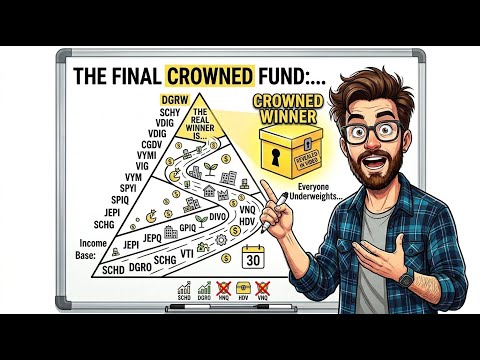
If you own SCHD and add a second dividend ETF, are you building a portfolio or buying the same thing twice? To find out, seven popular SCHD combos from Reddit portfolio posts were run through a hypothetical model. The result is uncomfortable: several of the most common pairings behave almost like a single fund, and the one that adds the most is not a dividend fund at all.
This is a model built on published prices and distributions, not a real account. Each combo starts with $100,000 split evenly, with no rebalancing and before taxes. Different dates give different results, and nothing here is financial advice.
Key Takeaways
- SCHD + VYM moved in the same direction in 68 of 75 months, and the pair paid a smaller check than SCHD alone.
- VYM and DGRO share about 62% overlap by weight, and DGRO and VIG share about 69%, the highest figure in the test.
- SCHD + JEPI paid about $13,000 more cash since June 2020 but finished about $32,000 behind once cash and shares are added together.
- SCHD + DIVO raised the paycheck and cushioned both bad years, finishing only about $6,000 behind SCHD alone from January 2017.
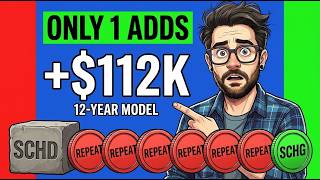
- SCHD + SCHG, the one pairing that is not a dividend fund, finished about $112,000 ahead of SCHD alone over 12 years.
Why Counting Shared Stocks Can Fool You
Most SCHD overlap analyses start with a list of shared holdings. That is a fair starting point, but it has a blind spot. Of the 102 stocks inside SCHD, 92 are also inside VTI, the total market fund. That sounds like an almost complete copy. Yet by weight, the ETF Research Center puts the overlap at only about 7%. Same names, very different weights.
The reverse also happens. Two funds can share fewer names and still behave alike, because they own the same kind of company in the same industries reacting to the same news. So instead of counting stocks, each combo faced four tests:
- Same-direction months: how often the second fund rose or fell in the same month as SCHD since June 2020, the first full month all eight funds existed.
- Growth: $100,000 with dividends reinvested, from June 2020, and where data allowed, from January 2017 and July 2014.
- Paycheck: the same $100,000 with dividends spent, and what the combo paid in 2025.
- Bad years: the drop in 2022 and, where available, the early 2020 crash.
The benchmark is SCHD alone. Since June 2020, $100,000 reinvested grew to about $254,000. With dividends spent, it paid about $6,000 in 2025, and it fell about 17% at its worst point in 2022. A second fund earns its seat by changing at least one of those numbers in a way you actually want.
Count overlap tells you which names are shared. Behavior tells you whether the second fund is doing a different job.
The Copies: Rankings #7 to #5
#7: SCHD + VYM
This is the closest thing to paying twice. VYM is Vanguard's High Dividend Yield fund: 593 stocks, a 0.04% fee, American stocks with above-average forecast yields, real estate trusts excluded. Yet it moved in the same direction as SCHD in 68 of 75 months since June 2020, and in 104 of 116 months since January 2017. That is about nine months out of ten in every window checked, the highest of any fund tested.
From June 2020, the pair grew to about $249,600 versus about $253,900 for SCHD alone. From July 2014, it finished around $383,000 versus around $411,000, close to $29,000 less. In 2025 the pair paid about $5,175 versus about $5,990 for SCHD alone, and its paycheck grew about 1.9 times from 2017 to 2025 versus 2.3 times. VYM's 30-day yield is about 2.35% versus about 3.12% for SCHD. VYM is a solid, low-cost fund on its own, but next to SCHD it mostly repeats the job.
#6: SCHD + VYM + DGRO
The three-fund dividend core, a third each, is common on Reddit. The logic sounds good: quality, breadth and dividend growth. But the ETF Research Center shows VYM and DGRO sharing 232 stocks, with about 62% overlap by weight. From June 2020 the three-fund version grew to about $248,400, and from July 2014 to about $396,000. SCHD alone finished ahead in both windows, by about $5,000 and about $16,000.
The 2025 paycheck was about $4,730 versus about $5,990, roughly $1,200 a year less income. The paycheck grew about 1.9 times versus 2.3 times. In 2022 it fell about 17%, and in the 2020 crash about 34.5%, slightly deeper than SCHD alone. More tickers did not mean more diversification.
#5: SCHD + DGRO
DGRO, the iShares Core Dividend Growth fund, has a genuinely different rule book: 391 stocks, at least five years of dividend growth, a forward payout ratio below 75%, and the highest-yielding 10% of eligible stocks excluded. It still moved with SCHD in 66 of 75 months since June 2020 and 103 of 116 since 2017.
From June 2020 the pair finished about $4,000 behind SCHD alone, at about $250,000. From January 2017 it was about $5,000 ahead at about $340,000, and from July 2014 about $5,000 ahead at about $417,000. The 2025 paycheck was about $4,900 versus about $5,990, with income growth of about 2.2 times versus 2.3 times. In 2022 it fell about 18%. DGRO's information technology weight is about 17% versus about 12% for SCHD, a small tilt rather than a new job. For a closer look at the two funds head to head, see DGRO vs SCHD: The Dividend Growth Stall Investors Need to See.
The Ones That Change Something: Rankings #4 to #2
#4: SCHD + VIG
VIG holds 333 stocks at a 0.04% fee. It requires at least ten consecutive years of dividend increases and then drops the highest-yielding 25%, which pushes it toward big tech. Its top five are Microsoft (about 4.7%), Apple (about 4.5%), Broadcom (about 4.4%), JPMorgan (about 4.1%) and Eli Lilly (about 3.9%), with information technology around 26%. SCHD's top five are Texas Instruments, Chevron, ConocoPhillips, Procter and Gamble and Coca-Cola.
VIG moved with SCHD in 65 of 75 months since June 2020 and 101 of 116 since 2017. Growth was about $244,000 from June 2020 (about $10,000 behind), about $339,000 from January 2017 (about $4,000 ahead), and about $403,000 from July 2014 (about $8,000 behind). The trade shows up in income: the 2025 paycheck from a 2017 start was about $5,670 versus about $7,175, because VIG yields about 1.5%. In 2022 the pair fell about 18.5%; in the 2020 crash about 32%.
The real trap is holding DGRO and VIG together. They share 244 stocks, about 69% overlap by weight, the highest in the test. That is where the double payment happens.
#3: SCHD + JEPI
Covered call funds now dominate much of the dividend conversation. Reuters reported in July 2025 that the category took in about $31.5 billion in the first half of that year and held about $145 billion in total. JEPI, the JPMorgan Equity Premium Income fund, holds large American stocks and sells call options on the S&P 500, mostly through index-linked notes. Its fee is 0.35%, and its trailing twelve-month payout is about $4.56 a share on a price near $57.
It moved with SCHD in 63 of 75 months. On cash, it won: about $7,600 paid in 2025 versus about $5,990 for SCHD alone, and about $46,700 over six years versus about $33,400, roughly $13,000 more. But with dividends spent, the leftover shares are worth about $157,000 versus about $202,000. Cash plus shares comes to about $203,000 for the combo versus about $235,000 for SCHD alone, about $32,000 behind. Reinvested, the pair grew to about $223,000 versus about $254,000.
The check is also uneven. The pair paid about $8,660 in 2022 and about $7,050 in 2023, a drop of almost a fifth. JEPI's monthly payment was about 54 cents in June 2025 and about 34 cents in October 2026. On the plus side, the pair fell only about 15% in 2022, the smallest drop of any combo. Most of JEPI's payout is option income, generally taxed as ordinary income in a taxable account, and the blended fee is about 0.21%, more than three times SCHD alone.
#2: SCHD + DIVO
DIVO, the Amplify CWP Enhanced Dividend Income fund, is actively managed with 34 holdings. Its top three are Microsoft (about 5.9%), Visa (about 5.7%) and Apple (about 5.4%). Managers sell calls tactically on individual stocks. Amplify lists a distribution rate of about 4.88% as of the end of September, which is a distribution rate, not a yield.
It moved with SCHD in 65 of 75 months since June 2020 and 101 of 116 since 2017. The 2025 paycheck was about $8,000, but that includes an extra distribution of about 95 cents a share at the end of December 2025, more than five times a normal month. Without it, the pair paid about $6,650 versus about $5,990. The regular monthly payment rose from about 15 cents in January 2024 to about 19 cents in September 2026.
Over six years the pair paid about $38,800 in cash, about $5,400 more than SCHD alone. Cash plus shares came to about $223,000 versus about $235,000, about $12,000 behind and well under half the JEPI gap. From January 2017 the reinvested pair reached about $330,000 versus about $336,000, about $6,000 behind. It also fell about 31% in the 2020 crash, the smallest drop of any combo tested that far back, and about 15% in 2022.
Two cautions: the fee is 0.56%, making the pair's blended fee about 0.31%, the highest in the test, and part of the payout can be return of capital. One March 2025 notice estimated about 67% of that month's distribution as return of capital, with the note that such figures are estimates and not for tax reporting. For a deeper look at DIVO alongside other dividend funds, see 4-ETF Dividend Ladder: How VIG, DGRO, SCHD & DIVO Pay $613/Month.
The One That Adds Something: #1 SCHD + SCHG
SCHG, the Schwab U.S. Large Cap Growth fund, is not a dividend fund. It holds 189 stocks at a 0.04% fee with a 30-day yield of about 0.36% and information technology near 54%. Its top three are Nvidia (about 12%), Apple (about 12%) and Microsoft (about 9%). SCHD's yield screens keep most of these companies out, which is exactly why the pair works.
SCHG moved with SCHD in just 54 of 75 months since June 2020 and 90 of 116 since 2017, about seven months out of ten, the lowest of any fund tested. In some months the gap was more than ten percentage points.
- From June 2020: about $274,000, roughly $20,000 ahead of SCHD alone.
- From January 2017: about $434,000, roughly $98,000 ahead.
- From July 2014: about $524,000 versus about $411,000, roughly $112,000 more over twelve years.
The trade is income and drawdowns. The 2025 paycheck was only about $3,470, the smallest check in the test, yet cash plus shares came to about $263,000, the highest of any combo. In 2022 the pair fell about 24% versus about 17% for SCHD alone, though the 2020 crash drop of about 33% was nearly identical. The past twelve years were a great run for big tech, and nobody knows whether the next twelve will be. Still, this is the one second fund that brings in what SCHD leaves out. For a deeper treatment of the strategy, read SCHD and SCHG: The 70/30 Core Satellite Strategy Explained.
The Yardstick: SCHD + VTI
The earlier video concluded that two ETFs are enough, using SCHD plus a total market fund. In this test the pair moved with SCHD in 61 of 75 months since June 2020 and 98 of 116 since 2017. It grew to about $260,000 from June 2020 (about $6,000 ahead) and about $430,000 from July 2014 (about $19,000 ahead). The 2025 paycheck was about $4,200, the 2022 drop about 21%, the 2020 crash drop about 34%, and the blended fee about 0.045%. It beat every dividend pair on growth, and SCHG is the stronger, more volatile version of the same idea.
A Seven-Rule Plan to Check Any SCHD Combo
- Name the job. The fund should give more income, more growth or a smoother ride. If the honest answer is that it is also a good dividend fund, that is paying twice.
- Run the same-direction test. About nine months out of ten means little change; about seven out of ten, like SCHG, means a different job.
- Use weight overlap, not count overlap. Ninety-two shared stocks with VTI is only about 7% by weight.
- Check pairs inside your stack. The biggest overlap was DGRO and VIG at about 69%, not any fund against SCHD.
- For covered call funds, add cash and shares together, and look at taxes and fees before the headline payout.
- Date every overlap number. Funds rebalance, and SCHD reconstitutes every March.
- One fund per job. Two funds is usually enough; a third should do a job the first two cannot.
Built from scratch, hypothetically, that means SCHD as the foundation, one growth fund next to it (SCHG for a bigger growth engine, VTI for the whole market), and only if income matters right now, one booster. In this test DIVO did that job better than JEPI. That is three funds at most, each with a nameable job.
Watch the Full Video Walkthrough
For the charts, month-by-month comparisons and the full ranking on screen, watch the video You're Still Paying Twice: I Ranked 7 Popular SCHD Combos on the Harry's Financial Fitness channel. If you want the earlier foundation, the follow-up video You're Paying Twice for the Same Stocks: 2 Dividend ETFs Are ENOUGH covers where this started. Which second fund do you hold next to SCHD, and what job does it do? Tell us in the comments.
Disclaimer: This is not financial advice. Results are hypothetical models from the dates chosen, split evenly with no rebalancing and before taxes; different dates give different results. Overlap figures are from ETF Research Center (retrieved October 2026) and change at every rebalance. DIVO and JEPI figures are distribution rates, not yields, and can include option income and return of capital. Dividends can be cut. Past performance does not guarantee future results.